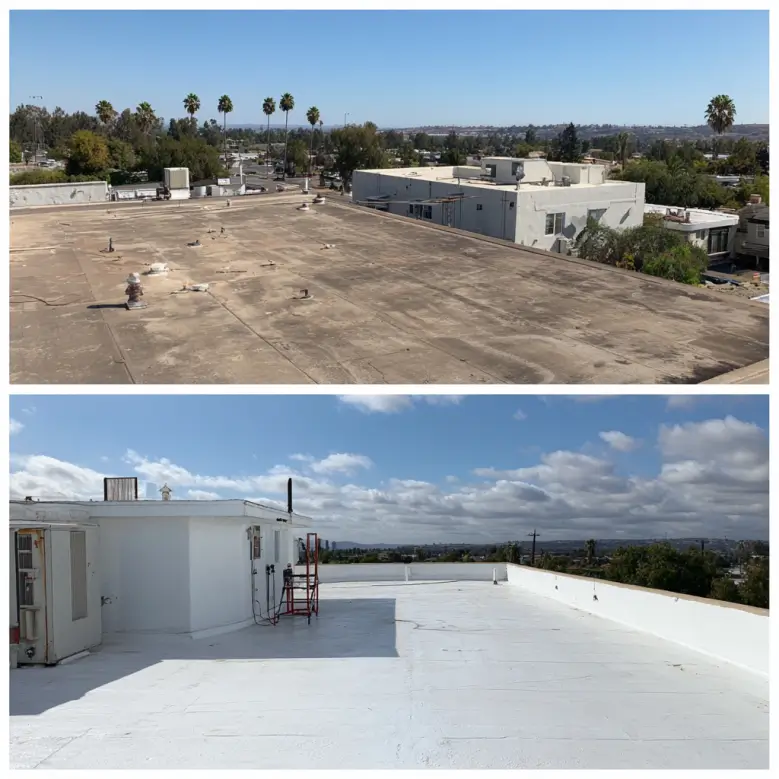
 California’s push toward energy-efficient buildings has reshaped how commercial roofs are designed, installed, and maintained. At the heart of this effort is Title 24, a set of energy standards that directly affect which roofing materials can be used on commercial properties—especially in sunny regions like San Diego.
For property managers and building owners, Title 24 isn’t just another regulation. It’s a framework that influences energy bills, long-term roof performance, and even tenant comfort. But despite its importance, many commercial property owners aren’t clear about what Title 24 actually requires, what qualifies as a cool roof, or how these rules apply during reroofing or building upgrades.
This guide breaks down Title 24 in a straightforward, practical way—focused specifically on San Diego’s climate, commercial buildings, and real-world roofing decisions.
Why California Adopted Stronger Cool Roof Requirements
California uses more electricity for cooling than almost any other state, and a large portion of that heat comes from roofs that absorb sunlight. When a roof surface becomes extremely hot, that heat transfers into the building, pushing HVAC systems to work harder.
A cool roof reduces this heat load. Title 24 requires commercial buildings to use roofing materials that:
-
Reflect more sunlight
-
Release absorbed heat more effectively
-
Reduce temperature transfer into the building
While these rules apply statewide, San Diego benefits more than most cities because of its coastal sun exposure and long warm season.
San Diego’s Climate Makes Cool Roofs a Natural Fit
San Diego’s mild climate hides a harsh reality for commercial roofs: they are exposed to sunlight almost year-round. Even buildings a few miles inland routinely see high rooftop temperatures from late spring through early fall.
When a dark or non-reflective roof heats up to 140–160°F, the strain on the building’s cooling systems increases dramatically. A cool roof, required under Title 24, can reduce those temperatures by 50–60 degrees. That difference pays off through:
-
Lower utility bills
-
Less wear on HVAC equipment
-
A more stable indoor temperature
-
Longer roof lifespan
For commercial buildings with large square footage—such as shopping centers, industrial warehouses, or office complexes—the savings multiply.
The Two Numbers That Matter: Reflectance and Emittance
Title 24 doesn’t tell you which roofing material to use. Instead, it sets minimum performance standards based on two measurable traits.
Reflectance
This indicates how much sunlight a roof surface sends back into the atmosphere rather than absorbing it.
A roof with high reflectance stays significantly cooler during the day.
Thermal Emittance
This measures how quickly the material can release heat it has absorbed.
A roof that cools quickly transfers less heat into the building.
Title 24 compliance is based on achieving minimum values for both. These numbers must come from the Cool Roof Rating Council (CRRC), the independent body responsible for testing roofing materials.
How Title 24 Applies Specifically to Commercial Buildings
San Diego is in a climate zone where cool roofs are mandatory for most commercial roof replacements and new installations. The rules are strictest for low-slope roofs, which is the overwhelming majority of commercial roofs.
A roof will generally need to meet Title 24 if:
-
A building is constructing a new roof
-
A reroofing project replaces a large portion of the existing membrane
-
Insulation or significant roof components are being upgraded
Small repairs do not typically trigger Title 24 requirements, but most major roofing projects do.
Materials That Commonly Meet Title 24 Requirements in San Diego
San Diego building owners have multiple cool roof options, each offering different strengths depending on the property’s needs.
TPO
TPO membranes are naturally bright and reflective, making them one of the simplest ways to comply with Title 24. These roofs work especially well in buildings focused on energy savings.
PVC
PVC is another highly reflective option that performs exceptionally well in coastal environments. Because it resists chemicals and salt exposure, it’s frequently chosen for buildings with rooftop equipment or near the shoreline.
Modified Bitumen with Reflective Coatings
Traditional Modified Bitumen is dark, but when paired with an acrylic or silicone coating, it meets Title 24 standards and offers strong durability.
Spray Foam with Elastomeric Coating
Spray polyurethane foam has high insulation value on its own. When finished with a reflective coating, it meets cool roof performance standards and improves overall energy efficiency.
Coated Built-Up Roofing
Older built-up roofs can be upgraded with modern reflective coatings to bring them into compliance.
The variety of options means property managers can choose based on durability, traffic levels, cost, and long-term maintenance expectations—not just reflectivity.
The Financial Benefits of Installing a Title 24-Compliant Roof
While Title 24 sets the rules, the real-world benefits are more practical than regulatory. Commercial building owners in San Diego generally experience:
Lower Cooling Costs
Cool roofs significantly reduce rooftop temperatures, decreasing the building’s demand for air conditioning. Many property owners notice meaningful drops in their summer utility bills.
Longer Roof Lifespan
Lower rooftop temperatures mean less thermal expansion and contraction—a major cause of membrane fatigue. Cool roofs age more slowly in San Diego’s climate.
Protection of HVAC Systems
HVAC units do not have to work as hard when the roof surface is cooler. This can extend the life of rooftop equipment, reducing replacement costs.
Improved Comfort for Tenants
Buildings with large open spaces—such as retail stores and warehouses—benefit from a more stable indoor temperature.
Sustainability and Compliance
Meeting Title 24 contributes to statewide efforts to reduce energy consumption and supports LEED and other green building certifications if that is part of the property’s goals.
Common Misunderstandings About Title 24
Because the regulations are technical, a few misconceptions are common among property owners:
“Cool roofs cost more.”
Some cool roof materials have a higher upfront cost, but most recover that investment through lower energy bills and reduced maintenance needs. In many cases, the cost difference is minimal or nonexistent.
“A cool roof must be bright white.”
Not always. Many compliant systems come in light grays or neutral tones, especially PVC and coated membranes.
“It only matters for new construction.”
Most major reroofing projects in San Diego must also comply.
“It doesn’t make a big difference near the coast.”
San Diego’s coastal areas receive just as much sun as inland zones, and cool roofs significantly reduce heat even with ocean breezes.
Why Proper Installation and Documentation Matter
To prove compliance, commercial property owners must use roofing materials that have been tested by the CRRC. Contractors should supply documentation confirming that the chosen products meet Title 24 performance benchmarks.
Proper installation is equally important. If seams, insulation layers, or coatings are applied incorrectly, the roof may not perform to its rated values. This can impact both compliance and long-term efficiency.
What San Diego Property Managers Should Do Before a Roofing Project
Before beginning a reroofing or new construction project, property managers should:
-
Confirm whether Title 24 applies to the planned work.
-
Select materials that are CRRC-rated and appropriate for San Diego’s climate.
-
Consider long-term energy savings, not just initial material cost.
-
Request documentation from contractors showing compliance.
-
Evaluate whether the building could benefit from added insulation during the project.
A roofing contractor experienced in Title 24 compliance will guide you through material choices, documentation, and installation details.
Conclusion
Title 24 isn’t just a regulatory box to check—it’s an opportunity for San Diego commercial buildings to operate more efficiently, comfortably, and cost-effectively. Cool roof requirements help reduce heat buildup, cut energy bills, support HVAC performance, and extend the lifespan of roof systems exposed to intense coastal sunlight.
Whether you’re planning a replacement roof, evaluating repair options, or preparing for new construction, understanding Title 24 ensures your roofing investment aligns with both state regulations and long-term building performance.