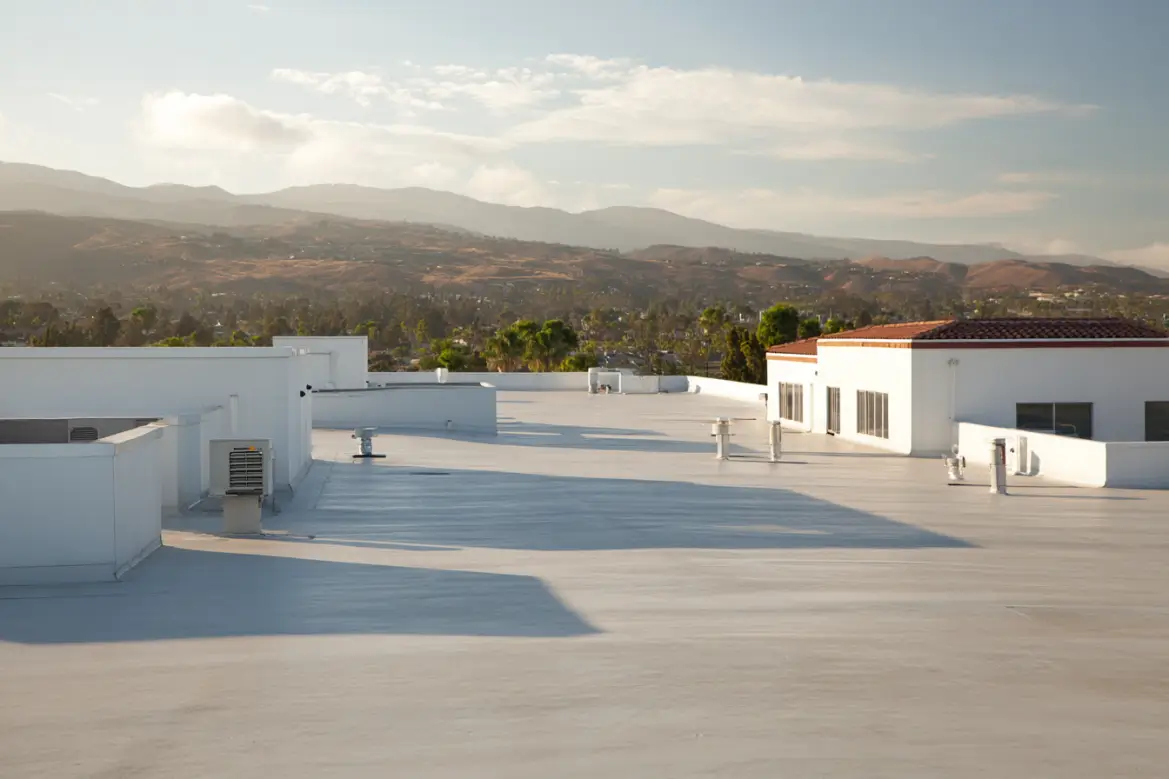
Commercial building owners and property managers in San Diego face a unique challenge: maintaining roofing systems in a climate that seems gentle on the surface but is surprisingly harsh over time. Though the region is known for its mild temperatures and lack of extreme weather, its coastal environment, UV exposure, and seasonal winds create conditions that lead many roofs to deteriorate faster than expected. The result is a landscape where preventable roof problems quietly escalate into costly repairs—or even full premature replacements.
This is why preventative roof maintenance is not simply a recommended practice; it is an essential component of responsible property management in San Diego. A disciplined maintenance routine can extend the life of a commercial roofing system by years, reduce repair expenses dramatically, and protect the building from unexpected downtime. In many cases, the savings run into the tens of thousands of dollars.
In this in-depth guide, we explore why preventative maintenance matters so much in San Diego, how it directly translates to cost savings, and what steps property managers should take to keep their roofing systems performing at their best.
The Real Cost of Neglecting a Commercial Roof
Many commercial roofs do not fail suddenly. They fail slowly, often in ways that remain unnoticed until significant damage occurs. Commercial roofs—especially flat or low-slope roofs—are complex systems with membranes, insulation, flashing, drains, penetrations, and rooftop equipment all working together. A small weakness in any part of that system can lead to widespread issues.
The cost escalation is predictable and often preventable. A small crack in a membrane, if caught early, may cost a few hundred dollars to repair. Left untreated, that crack can expand, allowing moisture to enter the insulation layer. Wet insulation loses its ability to perform, leading to increased energy costs, structural deterioration, and interior leaks that create liabilities for tenants. By the time the problem is identified, the repair could cost thousands—or require a full section replacement.
San Diego is filled with commercial properties that have had to replace their roofs far earlier than the manufacturer’s projected lifespan simply because routine maintenance was skipped. What should have been a 25-year roof often fails in 12 to 15 years when it is not inspected regularly.
Preventative maintenance reverses this trend completely by catching issues while they are small and easy to fix.
Why San Diego’s Climate Demands More Frequent Roof Maintenance
At first glance, San Diego seems like an easy climate for roofing: no heavy snow loads, no hurricanes, and relatively moderate temperatures. Yet the combination of several climate factors makes the region much more demanding on commercial roofs than many property managers realize.
Constant UV exposure
San Diego receives more than 260 sunny days annually. This constant solar radiation dries out roofing materials and accelerates surface deterioration, especially on older membranes. Seams can lose flexibility, flashing can crack, and protective coatings can wear thin. A roof that is not periodically inspected for UV damage will age prematurely.
Salt-laden coastal air
Salt does not only accumulate on beachfront properties. It travels inland on ocean breezes, gradually settling onto rooftops. Salt is highly corrosive to metal flashing, fasteners, rooftop equipment, and HVAC units. Over time, corrosion weakens structural components and exposes pathways for water intrusion.
Seasonal heavy rainfall
Though rain is infrequent, when storms do arrive—particularly during El Niño cycles—they can produce significant downpours. If drains are clogged or low spots have developed, ponding water becomes a major risk. Water that remains on the roof for more than 48 hours accelerates membrane breakdown and adds extra weight to the structure.
Wind events
San Diego’s winter storms and Santa Ana winds create uplift pressures that can compromise roof edges, seams, and flashing. A roof that has not been inspected for loose materials is more vulnerable during these events.
Each of these environmental factors increases wear and tear. Without preventative maintenance, they accumulate quietly until a failure becomes inevitable. With regular care, however, these problems can be identified long before they evolve into expensive repairs.
How Preventative Maintenance Saves Businesses Money
The financial benefits of preventative maintenance are straightforward: it reduces the frequency, severity, and cost of repairs, while maximizing the lifespan of the existing roofing system. But the cost savings go beyond simple repair bills.
1. Early detection prevents major repairs
A routine inspection uncovers issues such as cracked sealant, loose flashing, punctures, small leaks, or deteriorating coatings. These problems are inexpensive to correct when caught early. Left unaddressed, however, they can damage insulation, decking, and interior space.
A $250 repair can easily become a $5,000 restoration—or a $50,000 replacement.
2. Extended roof lifespan
A commercial roof in San Diego should last 20 to 30 years depending on the material. Without regular maintenance, that lifespan can shrink by half. Considering the significant cost of roof replacement, maintaining the existing system is one of the highest-ROI decisions a property manager can make.
3. Protection from interior damage and business interruption
Roof leaks rarely remain isolated. Water often travels between layers, appearing inside the building far from the original entry point. This can disrupt business operations, damage equipment, create slip hazards, or lead to mold growth—each of which has its own associated costs.
Preventative maintenance helps avoid these cascading issues.
4. Compliance with warranty requirements
Most commercial roofing warranties require documented maintenance. If a roof fails and the manufacturer discovers a lack of proper maintenance documentation, warranty coverage may be denied. Regular inspections protect your investment and ensure that coverage remains intact.
5. Improved energy efficiency
When insulation becomes wet or roofing surfaces degrade, energy efficiency drops. A damaged membrane can absorb more heat, driving up air conditioning costs. By maintaining the roof surface and addressing moisture issues early, buildings can operate more efficiently—especially important in a sunny city like San Diego.
The Most Common Issues Uncovered During Routine Maintenance
Property managers often assume that a roof without visible leaks is functioning well, but many early-stage issues can only be identified through a physical rooftop inspection.
Maintenance technicians frequently find:
-
Minor cracking around penetrations
-
Early membrane deterioration from UV exposure
-
Loose edge metal or flashing
-
Debris blocking drains
-
Standing water in isolated areas
-
Deteriorated seams
-
Minor punctures from foot traffic or tools
-
Corrosion on rooftop equipment
These issues rarely cause immediate leaks, which is why they are easy to overlook. But each represents the starting point of a much larger, more expensive problem if ignored.
What a Preventative Maintenance Program Should Include
A well-structured commercial roof maintenance program is proactive, consistent, and tailored to the building’s specific roofing material and environment. In San Diego, a maintenance schedule typically includes:
Biannual inspections
Two inspections per year—once in the fall before the rainy season and once in the spring afterward—are generally sufficient for most commercial roofs. Properties closer to the coast or with heavy equipment may require more frequent attention.
Post-storm inspections
After major wind events or heavy rain, a quick check helps identify any new issues before they escalate.
Drain and gutter cleaning
This is especially important before and after the rainy season. Clogged drains are one of the leading causes of ponding water and membrane damage.
Surface cleaning
Removing debris, leaves, or equipment residue reduces the likelihood of punctures and improves drainage.
Sealant and flashing renewal
Roof penetrations are a common weakness. Regularly resealing and reinforcing these areas prolongs the roof’s watertight integrity.
Documentation and reporting
Professional maintenance providers should supply photos, repair logs, and condition reports. This not only informs property managers but also protects warranty coverage.
A consistent, documented maintenance strategy prevents nearly all surprise roof failures.
Why Property Managers Benefit Most From Preventative Maintenance
Property managers in San Diego juggle numerous priorities—from tenant satisfaction to budgeting, compliance, and long-term asset preservation. Preventative roof maintenance directly supports these goals by reducing unexpected expenses and preventing operational disruptions.
Tenants appreciate buildings free from leaks, odors, or interior damage. Owners appreciate the cost savings, preserved warranties, and extended lifespan of major building components. And property managers strengthen their reputation by preventing problems rather than reacting to them.
In many ways, a preventative maintenance program allows property managers to operate with greater confidence, knowing their roofing system is being actively monitored and cared for.
Conclusion: Maintenance Is the Key to Protecting Your Investment
A commercial roof in San Diego faces constant environmental pressure—from UV radiation and salt air to winds and seasonal rains. These elements wear down roofing systems in ways that are often invisible at first but become costly if left unchecked. Preventative maintenance is the most cost-effective and reliable way to protect a commercial building, extend roof life, and avoid disruptive repairs.
For property managers and building owners, adopting a disciplined maintenance program is not an optional task but an investment in long-term performance and financial stability. With routine inspections, timely repairs, and consistent documentation, San Diego businesses can avoid the pitfalls of premature roof failure and ensure that their buildings remain durable, efficient, and secure for decades.