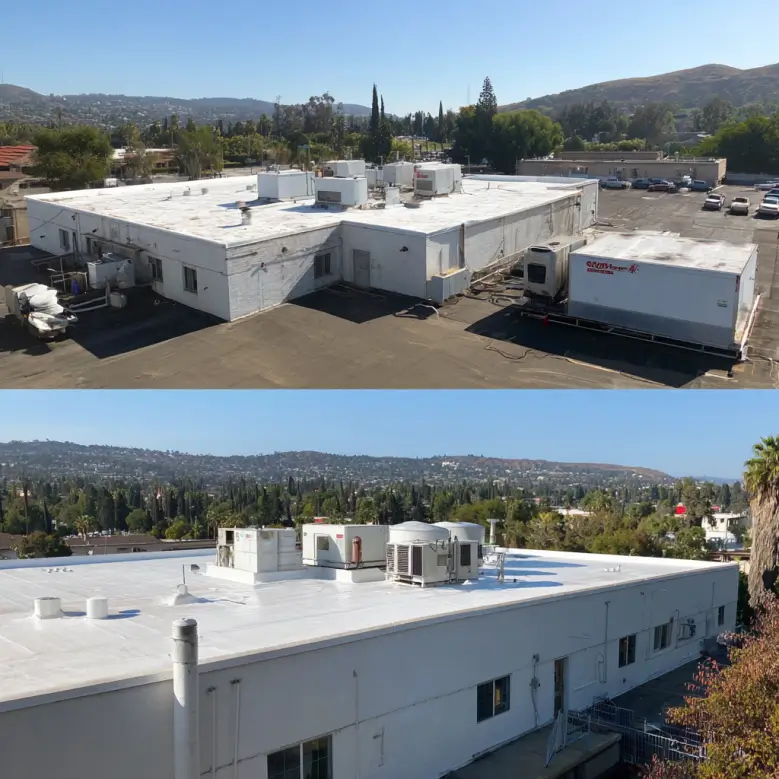
Selecting the right commercial roofing system is one of the most important decisions a building owner or property manager will make—especially in a climate as distinctive as San Diego’s. With strong year-round sun, salt-laden coastal air, occasional heavy rainfall, and seasonal winds, the region places unique demands on flat and low-slope roofing systems. Choosing the wrong material can lead to premature aging, costly repairs, and decreased energy performance, while the right system can last decades with minimal issues.
Among the most common roofing systems used in San Diego are TPO, PVC, and Modified Bitumen. Each offers specific strengths, limitations, and ideal use cases. This article provides a detailed, narrative-style comparison of these three systems to help you understand which roofing material is best suited for your building’s needs.
Understanding San Diego’s Climate Impact on Roofing Systems
Before exploring the differences between TPO, PVC, and Modified Bitumen, it helps to understand what San Diego’s environment demands from a commercial roofing system.
The region receives over 260 days of sunshine annually, which means roofing membranes must withstand constant UV exposure. This prolonged radiation can cause cracking, drying, and surface deterioration, especially on older or unprotected materials. Additionally, many commercial buildings are located within a few miles of the coastline, where salt air accelerates corrosion and weakens metal components over time.
Although San Diego is known for its dry weather, heavy rains do occur seasonally, particularly during El Niño years. Flat roofs must therefore manage drainage effectively to prevent ponding water. Meanwhile, the city’s Santa Ana winds and coastal gusts can stress seams, edges, and flashing.
Any roofing material chosen for San Diego should therefore excel in UV resistance, durability, energy efficiency, and resistance to wind uplift. With this context in mind, let’s look at how TPO, PVC, and Modified Bitumen measure up.
TPO Roofing: Energy-Efficient and Popular
TPO (Thermoplastic Polyolefin) has become one of the most widely installed commercial roofing systems in Southern California. Recognized for its bright white surface and heat-welded seams, TPO is designed to provide excellent energy efficiency and reliable protection for low-slope roofs.
Strengths of TPO in San Diego’s Climate
TPO’s most notable advantage is its reflectivity. Its white surface reflects a significant portion of UV radiation, helping to reduce heat absorption and lowering energy costs for buildings that rely heavily on air conditioning. Because San Diego experiences long periods of intense sunlight, a reflective membrane can make a measurable difference in indoor comfort and energy savings.
The seams on a TPO roof are also heat-welded, creating a bond that is typically stronger than the membrane itself. These welded seams hold up well against wind uplift, making TPO a strong choice for open coastal areas or buildings exposed to strong seasonal winds.
TPO is also resistant to algae growth and dirt accumulation, which helps maintain reflectivity over time. Although any roof requires maintenance, TPO’s surface generally stays cleaner than many alternatives, which is especially beneficial in coastal and dusty environments.
Limitations and Considerations
TPO is a relatively newer material compared to PVC and Modified Bitumen, and its long-term performance can vary depending on the manufacturer. While modern formulations are much improved over early iterations, buyers should select reputable brands and ensure proper installation by certified professionals.
In some cases, TPO can become brittle or split under extreme heat. While this is less common in moderate climates, San Diego’s consistent sunshine makes careful material selection essential. Buildings with a high concentration of rooftop equipment or frequent foot traffic may also need reinforced TPO to prevent surface damage.
Best Applications for TPO
TPO is often an excellent choice for commercial buildings seeking energy efficiency and a modern, durable membrane. It performs well on office buildings, medical facilities, retail centers, schools, and warehouses. It is also popular for buildings that must meet California Title 24 cool roof requirements, thanks to its naturally reflective surface.
PVC Roofing: Strong, Chemical-Resistant, and Long-Lasting
PVC (Polyvinyl Chloride) is another thermoplastic membrane system known for its strength, chemical resistance, and longevity. While similar in appearance to TPO, PVC has its own set of characteristics that make it exceptionally well-suited for many commercial environments.
Strengths of PVC in San Diego’s Climate
PVC performs exceptionally well in coastal regions because it is naturally resistant to chemicals, oils, and contaminants. Buildings located near the Pacific Ocean often experience salt buildup, which can weaken metal components or certain types of membranes. PVC, however, is highly resistant to salt and other environmental pollutants, making it a favorite in coastal applications.
It also holds up extremely well under intense sunlight. PVC has been used in the commercial market for decades, and its long track record shows strong resistance to UV degradation. The membrane remains flexible longer than many alternatives and is less prone to cracking or shrinking as it ages.
Like TPO, PVC membranes feature heat-welded seams that create a watertight bond. These seams perform especially well during San Diego’s windy conditions and are less likely to peel or fail compared to adhesives used on other roofing systems.
PVC is also an excellent choice for buildings with grease vents, such as restaurants, manufacturing facilities, or food-processing plants. Unlike TPO, PVC will not degrade when exposed to oils or animal fats, giving it a significant advantage in certain applications.
Limitations and Considerations
PVC tends to be more expensive than TPO or Modified Bitumen, which may influence budget-friendly projects. It is also slightly less puncture-resistant than some alternatives, meaning heavy rooftop equipment or frequent foot traffic may require additional protection, such as walkway pads.
Because PVC is chemically different from TPO, mixing materials during repairs or retrofits can cause compatibility issues. For example, adhesives or cleaners designed for TPO may not work on PVC. Proper installation and maintenance must be handled by professionals familiar with the material.
Best Applications for PVC
PVC is ideal for commercial kitchens, industrial buildings, coastal structures, hospitals, and anywhere chemical resistance is important. It is also a reliable choice for buildings seeking a long-term, low-maintenance membrane that performs well in sunlight and coastal environments.
Modified Bitumen: Durable, Time-Tested, and Cost-Effective
Modified Bitumen has been a staple of commercial roofing since the 1970s and remains popular for its durability, longevity, and versatility. Unlike TPO and PVC, Modified Bitumen is an asphalt-based membrane reinforced with fiberglass or polyester. It is installed in multiple layers using adhesives, torches, or self-adhered application.
Strengths of Modified Bitumen in San Diego’s Climate
Modified Bitumen is known for its durability, especially under heavy foot traffic or mechanical activity. Buildings with frequent rooftop maintenance—such as apartment complexes, hotels, or facilities with large HVAC setups—benefit from the system’s rugged surface.
In addition, Modified Bitumen offers strong puncture resistance, making it well-suited for roofs with extensive equipment or areas where tools and materials may be used frequently. This robustness sets it apart from single-ply membranes in certain applications.
San Diego’s occasional heavy rainfall also highlights one of Modified Bitumen’s strengths: its ability to provide multiple layers of waterproofing. Each layer adds redundancy, offering protection even if one layer becomes compromised.
Limitations and Considerations
While Modified Bitumen is durable, it is less reflective than TPO or PVC unless coated with a reflective surface. Without such a coating, the membrane can absorb a significant amount of heat, raising indoor temperatures and impacting energy efficiency.
The installation process—especially when torch-applied—requires experienced technicians to ensure safety and proper adhesion. Poor installation can lead to seam failures or blistering.
Modified Bitumen also has more limited flexibility compared to thermoplastic membranes and may experience surface wear under intense UV exposure if not maintained properly.
Best Applications for Modified Bitumen
Modified Bitumen is well suited for roofs with heavy foot traffic, buildings with many penetrations or rooftop units, and projects seeking long-term durability with a manageable budget. It is widely used in multifamily housing, schools, hotels, and industrial buildings.
Which Roofing System Is Best for San Diego?
The best roofing system ultimately depends on your building’s unique needs, budget, and long-term goals. In general, however, certain trends emerge when considering San Diego’s climate:
-
TPO is often preferred for energy efficiency and cost-effectiveness. Its reflective surface and strong seams make it a good all-around choice for sun-heavy regions.
-
PVC excels in coastal environments and buildings with chemical exposure. It has a long track record of performance and offers excellent UV and salt resistance.
-
Modified Bitumen remains a top choice for rugged durability and heavy foot traffic, especially on buildings with complex layouts or numerous rooftop systems.
In many cases, the decision comes down to balancing energy efficiency, durability, maintenance needs, and environmental exposure. A professional roofing evaluation can help determine which material aligns best with your building’s design and long-term maintenance plan.
Conclusion
San Diego’s environment is beautiful—but demanding. A commercial roof in this region must withstand relentless sun, coastal air, seasonal winds, and occasional downpours. TPO, PVC, and Modified Bitumen each offer compelling advantages, but the best choice depends on your property’s unique conditions and goals.
Whether you prioritize energy savings, long-term durability, chemical resistance, or affordability, understanding how each roofing system performs in San Diego’s climate will help you make an informed investment that protects your property for years to come.